

The demographic of first-time private flyers is shifting towards a younger, more diverse group that includes entrepreneurs, tech professionals, and a growing number of women, all of whom prioritize time efficiency and personalized travel experiences. This article explores the key drivers behind this change, what it means for the future of private aviation, and how you can navigate this new landscape as a first-time flyer.
You’re about to discover the real reasons behind the surge in private jet travel, who the new flyers are, and what you need to know before you book your first charter. We’ll cover everything from the costs and booking process to the different ways you can access private aviation, all from the perspective of someone who has seen this industry evolve over decades. Whether you’re a business executive looking to optimize your travel schedule or an entrepreneur seeking more efficient ways to connect with clients and partners, this guide will provide you with the knowledge you need to make informed decisions about private aviation.
What Is Driving the Surge in First-Time Private Flyers?
The recent increase in first-time private flyers is a direct result of a confluence of factors, including a greater emphasis on health and safety, the reduction of commercial flight schedules, and a growing demand for flexible travel solutions in a post-pandemic world. Before 2020, private aviation was often seen as an inaccessible luxury. Now, for a growing number of people, it has become a practical tool for both business and leisure. Up to 30% of charter bookings in 2024 came from first-time private flyers, a clear signal of this broadening appeal. [3]
The shift to remote work has also played a significant role. With the ability to work from anywhere, many professionals are choosing to travel more freely, often to destinations that are not well-served by commercial airlines. Private jets offer a level of convenience and efficiency that commercial travel simply cannot match, allowing you to fly on your own schedule and avoid the hassles of crowded airports. This newfound flexibility has opened up a world of possibilities for those who value their time and privacy.
Furthermore, the industry itself has become more accessible. New business models, such as jet cards and fractional ownership, have lowered the barrier to entry, making it easier for a wider range of people to experience the benefits of private aviation. Technology has also played a part, with on-demand charter apps providing real-time pricing and availability, simplifying the booking process and making it more transparent than ever before. This combination of factors has created a perfect storm, driving a new wave of travelers to discover the advantages of private flight.
Business aviation activity in regions like North America and Europe remains 10-15% above pre-pandemic levels, driven by a mix of leisure travel and corporate demand. [3]
This sustained growth demonstrates that the shift to private aviation is not a temporary phenomenon but a lasting change in travel behavior. You’re witnessing a moment where the industry is being reshaped by new expectations, new technologies, and new demographics.
Who Are the New Faces of Private Aviation?
The new faces of private aviation are younger, more diverse, and more entrepreneurial than ever before. The stereotype of the older, corporate executive is being replaced by a new generation of flyers who are shaping the industry in their own image. This demographic shift is not just a fleeting trend; it represents a fundamental change in who is flying private and why.
One of the most significant changes is the rise of millennial and Gen Z travelers. These digital natives are accustomed to on-demand services and personalized experiences, and they expect the same from their travel providers. They are also more environmentally conscious, pushing the industry to adopt more sustainable practices. According to a recent report, millennials now make up 50% of the clientele for some business jet operators, a clear indication of their growing influence. [1]
Data from Jetcraft shows a 28% increase in buyers under the age of 45 between 2018 and 2023, with some buyers as young as 25. [2]
We are also seeing a significant increase in the number of female private jet travelers. As more women take on leadership roles in business and entrepreneurship, they are turning to private aviation to meet their demanding travel needs. These women are not just passengers; they are decision-makers who are influencing everything from aircraft design to in-flight amenities. This growing segment of the market is a powerful force for change, and the industry is taking notice. The entrepreneurial jetsetter is another key demographic, comprising successful startup founders, investors, and self-made businesspeople who value the time-saving and productivity-enhancing benefits of private aviation.
The tech industry has been a major driver of this demographic shift. With the rise of successful startups and the concentration of wealth in tech hubs like Silicon Valley, Austin, and Miami, a new generation of entrepreneurs is discovering the benefits of private aviation. These individuals often need to be in multiple cities within a short timeframe, attending meetings, closing deals, and exploring new markets. Private jets provide the flexibility and efficiency they need to maintain their fast-paced lifestyles.
How Much Does It Cost to Fly Private for the First Time?
The cost of flying private for the first time can vary widely depending on a number of factors, including the size of the aircraft, the length of the flight, and the level of service you require. However, it’s not as expensive as you might think. While it’s true that private aviation is a premium service, there are a variety of options available to suit different budgets.
For a short flight on a small turboprop aircraft, you can expect to pay between $2,000 and $5,000. A midsize jet will typically cost between $5,000 and $10,000 per hour, while a large-cabin, long-range jet can cost upwards of $10,000 per hour. These are just rough estimates, of course, and the final price will depend on the specific details of your trip. The market for private jets is projected to surpass $40 billion by the end of 2025, with a compound annual growth rate of 5.2% since 2021, reflecting this increased demand and accessibility. [3]
It’s also important to remember that the hourly rate is not the only cost to consider. You will also need to factor in landing fees, taxes, and other charges. However, a good charter broker will be able to provide you with a detailed quote that breaks down all of the costs involved, so there are no surprises. The key is to be upfront about your budget and your needs, so they can find the best possible solution for you. Empty leg flights, which are one-way flights that would otherwise be empty, can also offer a more affordable way to experience private aviation, often at a significant discount.
When you’re evaluating the cost of flying private, it’s important to consider the value of your time. If you’re a business executive or entrepreneur, the hours you save by flying private can be worth far more than the cost of the flight. You can work during the flight, hold meetings, or simply arrive at your destination refreshed and ready to go. This productivity gain is often the deciding factor for many first-time flyers who are weighing the costs and benefits of private aviation.
What Are the Different Ways to Access Private Aviation?
There are several ways to access private aviation, each with its own set of advantages and disadvantages. The best option for you will depend on your travel needs, your budget, and your desired level of flexibility. Understanding the differences between these options is the first step to making an informed decision.
On-demand charter is the most flexible option, allowing you to book a private jet for a single trip without any long-term commitment. This is a great choice for first-time flyers who want to experience the benefits of private aviation without a significant upfront investment. You simply pay for the time you use, and you can choose from a wide variety of aircraft to suit your specific needs. This model is particularly appealing to those who fly infrequently or whose travel patterns are unpredictable.
For those who fly more frequently, a jet card or membership program may be a better option. These programs allow you to purchase a block of flight hours at a fixed hourly rate, providing you with guaranteed availability and a more streamlined booking process. Jet cards typically require an upfront investment, but they offer the benefit of locked-in pricing and priority access to aircraft. This can be a significant advantage during peak travel periods when demand is high.
Fractional ownership is another option for frequent flyers, allowing you to purchase a share in an aircraft and enjoy all the benefits of ownership without the full financial burden. With fractional ownership, you own a percentage of an aircraft, typically ranging from 1/16 to 1/2, and you have access to that aircraft for a certain number of hours per year. This model is ideal for those who fly 50 or more hours per year and want the consistency and reliability of having access to a specific aircraft.
Finally, full ownership provides the ultimate in flexibility and control, but it also comes with the highest cost and responsibility. When you own an aircraft outright, you have complete control over its use, maintenance, and crew. However, you also bear the full cost of ownership, including hangarage, insurance, maintenance, and crew salaries. This option is typically only viable for those who fly hundreds of hours per year or who have specific requirements that cannot be met through other access models.
Key Private Aviation Access Models
- On-Demand Charter: Pay-as-you-go model, ideal for occasional flyers who need flexibility.
- Jet Cards: Prepaid flight hours at a fixed rate, offering convenience and cost predictability.
- Memberships: Subscription-based models with varying levels of access and benefits, often with a lower upfront cost than jet cards.
- Fractional Ownership: Shared ownership of an aircraft, suitable for those who fly 50 or more hours per year.
- Full Ownership: The ultimate in flexibility and control, but with the highest cost and responsibility, including maintenance, crew, and hangarage.
What Should I Expect When Flying Private for the First Time?
Flying private for the first time is an experience unlike any other. From the moment you arrive at the private terminal, you’ll be treated to a level of service and convenience that is simply not possible with commercial travel. There are no long lines, no crowded gates, and no stressful security checks. You simply drive up to the aircraft, hand your bags to the pilot, and you’re on your way. Most private terminals, known as Fixed-Base Operators (FBOs), offer exclusive lounges, concierge services, and expedited security screening, making the entire pre-flight experience smooth and stress-free.
The in-flight experience is just as impressive. You’ll have the entire cabin to yourself, so you can relax, work, or spend time with your family and friends in complete privacy. The seats are spacious and comfortable, and the amenities are top-notch. You can even customize the catering to your specific tastes, ensuring that you have a delicious meal to enjoy during your flight. The level of personalization extends to the cabin environment, with control over lighting, temperature, and entertainment. Many modern private jets are equipped with state-of-the-art entertainment systems, high-speed Wi-Fi, and comfortable sleeping arrangements for longer flights.
Perhaps the biggest advantage of flying private is the time you’ll save. Private jets can fly into smaller airports that are closer to your final destination, and they can operate on your schedule, so you’re not tied to the rigid timetables of commercial airlines. This means you can spend less time traveling and more time doing what you love. The ability to arrive just minutes before your flight and depart immediately upon landing is a luxury that, once experienced, is hard to live without. You can also bring your pets, sports equipment, or other items that would be difficult or impossible to transport on a commercial flight.
How Do You Choose the Right Aircraft for Your Needs?
Choosing the right aircraft for your first private flight can seem daunting, but it doesn’t have to be. The key is to understand your specific needs and to work with a knowledgeable charter broker who can guide you through the process. There are several factors to consider when selecting an aircraft, including the number of passengers, the distance you need to travel, and the level of comfort and amenities you require.
Light jets are ideal for short to medium-range flights with up to six passengers. These aircraft are cost-effective and efficient, making them a popular choice for business travelers who need to get from one city to another quickly. Midsize jets offer more space and comfort, with seating for up to nine passengers and a range that allows for coast-to-coast flights in the United States. These jets often feature stand-up cabins, full lavatories, and more advanced entertainment systems.
Heavy jets are the largest and most luxurious option, with seating for up to 16 passengers and a range that allows for intercontinental flights. These aircraft feature spacious cabins with separate seating areas, full galleys, and luxurious sleeping accommodations. They are ideal for long-distance travel or for groups who want the ultimate in comfort and privacy. Your charter broker will be able to recommend the best aircraft for your specific trip, taking into account your budget, your schedule, and your preferences.
How Is Technology Changing the Private Aviation Industry?
Technology is having a profound impact on the private aviation industry, making it more efficient, accessible, and transparent than ever before. From on-demand booking platforms to advanced in-flight connectivity, innovation is driving a new era of growth and change. These advancements are not just improving the passenger experience; they are also transforming the way the industry operates.
One of the most significant technological advancements is the rise of on-demand charter apps. These platforms allow you to search for and book private jets in real-time, with transparent pricing and a wide variety of aircraft to choose from. This has made the booking process much simpler and more convenient, and it has given consumers more power than ever before. Predictive maintenance, using AI and IoT, is also improving safety and reliability by anticipating maintenance needs before they become a problem. These systems monitor aircraft performance in real-time, identifying potential issues and scheduling maintenance proactively.
In-flight connectivity has also come a long way in recent years. Today’s private jets are equipped with high-speed Wi-Fi, allowing you to stay connected to the ground and be productive during your flight. This is a game-changer for business travelers, who can now use their time in the air to catch up on emails, participate in video conferences, and stay on top of their work. This level of connectivity is also appealing to leisure travelers, who can stream movies, listen to music, and stay in touch with friends and family while they travel.
Data-driven personalization is another area where technology is making a big impact. Private aviation companies are using data analytics to understand their customers’ preferences and to tailor their services accordingly. This can include everything from customized catering and entertainment options to personalized flight itineraries and concierge services. The goal is to create a seamless, personalized experience that meets the unique needs of each individual traveler.
What Role Does Sustainability Play in Private Aviation?
Sustainability is becoming an increasingly important consideration for private aviation, driven by the growing environmental consciousness of younger travelers and the broader societal push for more sustainable practices. The industry is responding with a variety of initiatives aimed at reducing its carbon footprint and promoting more eco-friendly operations.
Sustainable Aviation Fuel (SAF) is one of the most promising developments in this area. SAF is a drop-in replacement for conventional jet fuel that can reduce lifecycle carbon emissions by up to 80%. While SAF is currently more expensive than traditional jet fuel, its adoption is growing rapidly, driven by both regulatory pressure and consumer demand. Many private aviation companies are now offering SAF as an option for their customers, and some are even making it a standard part of their operations.
Carbon offset programs are another popular way for private aviation companies to address their environmental impact. These programs allow customers to purchase carbon credits that support renewable energy projects, reforestation efforts, and other initiatives that reduce greenhouse gas emissions. While carbon offsets are not a perfect solution, they provide a way for travelers to mitigate the environmental impact of their flights.
The development of electric and hybrid aircraft is also a major focus for the industry. While fully electric private jets are still several years away from commercial viability, significant progress is being made in this area. Electric vertical takeoff and landing (eVTOL) aircraft, which are designed for short-distance urban air mobility, are expected to enter service in the coming years. These aircraft have the potential to revolutionize urban transportation, providing a fast, efficient, and environmentally friendly alternative to ground-based travel.
What Does the Future Hold for Private Aviation?
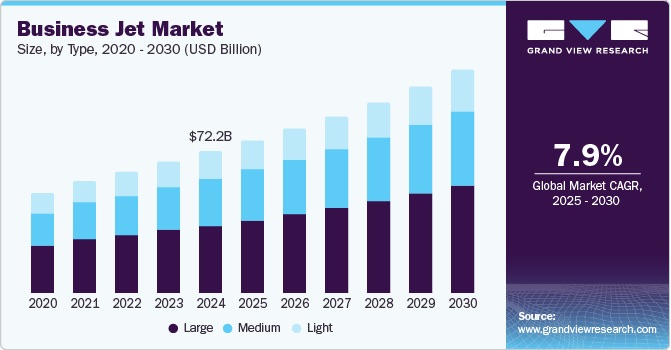
The future of private aviation is bright, with continued growth and innovation on the horizon. The demographic shift we are currently witnessing is just the beginning of a larger transformation that will see the industry become more diverse, more sustainable, and more accessible to a wider range of people. As technology continues to evolve and new business models emerge, the possibilities are endless. The business jet market is expected to see continued growth, with some projections showing it reaching over $72 billion by 2030. [4]
Honeywell’s 34th annual Global Business Aviation Outlook projects 8,500 new business jet deliveries valued at $283 billion over the next decade, driven by strong demand and favorable market conditions. [5]
This level of investment reflects the industry’s confidence in its long-term prospects and its commitment to meeting the evolving needs of its customers.
Sustainability will be a key focus for the industry in the years to come. As younger, more environmentally conscious travelers enter the market, there will be a greater demand for eco-friendly solutions. This will drive the development of more fuel-efficient aircraft, the adoption of sustainable aviation fuels (SAF), and the implementation of carbon offset programs. The industry is already making strides in this area, with SAF adoption gaining momentum and offering up to an 80% reduction in lifecycle emissions.
The democratization of private aviation will also continue, with new technologies and business models making it easier and more affordable for people to fly private. We may even see the rise of urban air mobility, with electric vertical takeoff and landing (eVTOL) aircraft providing a new form of on-demand transportation in and around cities. The future of private aviation is not just about luxury; it’s about providing a more efficient, more sustainable, and more personalized way to travel. The next decade will be a period of unprecedented change and opportunity for the private aviation industry.
First-Time Private Flyer Tips
For first-time private flyers, communicate your needs clearly to your charter broker. Be upfront about your budget, passenger count, and destination. This helps them find the best aircraft and pricing for your trip.
Your First Flight Awaits
You are now equipped with the knowledge to navigate the world of private aviation with confidence. You understand the forces driving the industry’s transformation, the new faces of private flight, and the various ways you can access this exclusive mode of travel. The journey from a curious first-time flyer to a seasoned private traveler is shorter than you think, and it all starts with that first flight. The sky is not the limit; it’s just the beginning. The private aviation industry is evolving rapidly, and you have the opportunity to be part of this exciting transformation. Whether you’re flying for business or pleasure, the benefits of private aviation are clear: time savings, flexibility, privacy, and a level of service that is simply unmatched by commercial travel. Take that first step, book your first charter, and experience the difference for yourself.
References
[1] Business Airport International. “Millennials are turning to business aviation.” 17 June 2025.
[3] Elite Aviation. “The Rise of Private Jet Travel Post-COVID.” 17 July 2025.
[4] Grand View Research. “Business Jet Market Size & Share | Industry Report, 2030.”
[5] Honeywell. “Honeywell Forecasts Record Demand for Business Jets.” 13 October 2025.

Robert Wilkos is the co-founder of VIPJets.com and a private aviation executive leading luxury charter services through a global network of 10,000+ aircraft. He champions rigorous Wyvern/ARGUS safety standards, 24/7 concierge support, and flexible options like the 25-Hour Jet Card, along with ground and air-medical transport.