
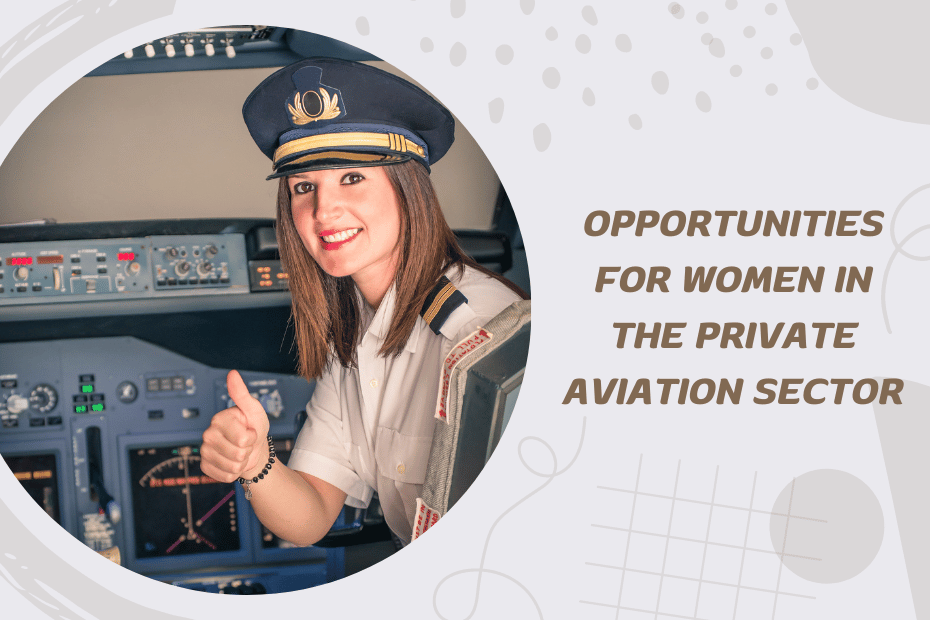
The private aviation sector, long seen as a male-dominated industry, is increasingly opening up to women, offering a wealth of opportunities across various roles. From pilots and engineers to executives and entrepreneurs, women are making significant strides in private aviation. This article explores the numerous opportunities available for women in this dynamic field, highlighting the progress made, the challenges faced, and the initiatives aimed at fostering greater gender diversity. By understanding these aspects, we can appreciate the contributions of women in aviation and encourage more to pursue careers in this exciting industry.
Growing Presence of Women in Aviation
In recent years, there has been a noticeable increase in the number of women entering the private aviation sector. Organizations like Women in Aviation International (WAI) have been instrumental in promoting aviation careers to women and providing scholarships, mentorship, and networking opportunities. The 2024 WAI scholarship program, for instance, offers over 105 scholarships valued at more than $1 million, covering various fields such as flight training, engineering, maintenance, and drones. These initiatives are crucial in supporting women at different stages of their aviation careers, ensuring they have the resources and encouragement needed to succeed.
Additionally, the industry is witnessing a cultural shift towards inclusivity, with more women being visible in roles traditionally dominated by men. This shift is not just happening at entry levels but is also evident in senior and executive positions. The increasing visibility of women in these roles serves as inspiration and motivation for the next generation of female aviators.
Educational and Professional Development Programs
Educational and professional development programs are essential in preparing women for successful careers in private aviation. Programs like Virgin Atlantic’s “Passport to Change” STEM initiative and SkyTeam’s RISE Leadership Program are designed to inspire and equip women with the necessary skills and knowledge. These programs focus on leadership development, technical training, and practical experience, helping women to advance in their careers and take on leadership roles within the industry.
Furthermore, scholarships and grants specifically aimed at women help reduce financial barriers, enabling more women to pursue aviation careers. The Federal Aviation Administration (FAA) and various industry bodies offer numerous scholarships that support women in gaining qualifications and experience in fields such as piloting, engineering, and aircraft maintenance.
Mentorship and Networking Opportunities
Mentorship and networking are vital components for career growth in private aviation. Women in the sector often benefit from mentorship programs that provide guidance, support, and industry insights. Organizations like the British Women Pilots’ Association (BWPA) and the Aviation Ambassadors Group offer platforms for women to connect with experienced professionals, share knowledge, and explore career opportunities. These networks help women to build confidence, develop their careers, and navigate the challenges of working in a traditionally male-dominated field.
Networking events, such as the Women in Aviation International Conference, also play a crucial role in career development. These events provide opportunities for women to meet industry leaders, learn about the latest trends and technologies, and gain insights into career advancement strategies.
Challenges and Overcoming Barriers
Despite the progress made, women in private aviation still face several challenges, including gender bias, work-life balance issues, and a lack of representation in certain roles. Cultural and gender diversity in management positions remains an area for improvement, as highlighted by Nesrin Sengül of KLM, who emphasizes the need for more inclusive workplaces. Addressing these challenges requires a concerted effort from industry stakeholders to promote gender equality, provide flexible work arrangements, and create supportive environments for women.
One significant barrier is the pervasive gender stereotypes that discourage women from pursuing careers in aviation. Initiatives aimed at breaking these stereotypes, such as outreach programs in schools and public awareness campaigns, are essential in changing perceptions and encouraging more girls and young women to consider aviation as a viable career path.
Inspirational Stories and Role Models
Inspirational stories and role models play a significant role in encouraging more women to pursue careers in private aviation. Women like Alice Goodwin, an avionics design engineer at Virgin Atlantic, and Hannah Wells, a first officer with easyJet, are breaking barriers and paving the way for future generations. These role models demonstrate that with determination and support, women can excel in various roles within the aviation industry. Their stories inspire others to follow in their footsteps and contribute to a more diverse and inclusive sector.
Moreover, women in leadership positions, such as Catherine Buchanan, COO at Vertis Aviation, exemplify the potential for career growth and the impact women can have in executive roles. These leaders advocate for diversity and inclusion, helping to create a more welcoming environment for women in aviation.
Industry Initiatives and Support
Industry initiatives and support are crucial in fostering greater participation of women in private aviation. Regulatory bodies like the Directorate General of Civil Aviation (DGCA) in India are developing frameworks to encourage the recruitment and retention of women in the sector. These frameworks aim to address gender disparities, promote equal opportunities, and support women in achieving their career goals.
Companies within the aviation sector are also implementing diversity and inclusion policies, offering training programs, and creating mentorship opportunities to support women in aviation. For instance, initiatives like the International Air Transport Association’s (IATA) 25by2025 campaign aim to increase the number of women in senior and leadership roles by 25% by 2025.
Future Prospects and Opportunities
The future of women in private aviation looks promising, with numerous opportunities for growth and development. The demand for skilled professionals in the aviation sector is increasing, and women are well-positioned to fill these roles. Emerging technologies, such as electric vertical take-off and landing (e-VTOL) aircraft, offer new avenues for innovation and career advancement. As the industry continues to evolve, women will play a critical role in shaping its future, contributing to a more diverse and dynamic aviation landscape.
Additionally, the expansion of fractional ownership models and on-demand charter services will make private jet travel more accessible to a wider audience. The focus on sustainability and the development of greener aviation solutions will also play a crucial role in the market’s future growth.
In conclusion, the private aviation sector presents a wealth of opportunities for women, from pilots and engineers to executives and entrepreneurs. While challenges remain, the industry is making significant strides in promoting gender diversity and supporting women’s career development. Through educational programs, mentorship, industry initiatives, and inspirational role models, women are breaking barriers and achieving success in aviation. As we look to the future, it is essential to continue fostering an inclusive environment that encourages and supports women in pursuing their dreams in the private aviation sector. By doing so, we can ensure a more equitable and vibrant industry for all.

Robert Wilkos is the co-founder of VIPJets.com and a private aviation executive leading luxury charter services through a global network of 10,000+ aircraft. He champions rigorous Wyvern/ARGUS safety standards, 24/7 concierge support, and flexible options like the 25-Hour Jet Card, along with ground and air-medical transport.